
Communication That Moves:
An Evidence-Based Behavior Change Roadmap in Manggarai Regency, East Nusa Tenggara
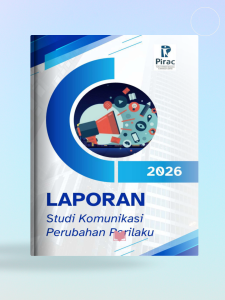 The Indonesian Red Cross (PMI), in collaboration with the American Red Cross through the Electra Program, has completed a Behavior Change Communication (BCC) study in Manggarai Regency, East Nusa Tenggara. This research focused on seven villages and seven schools with high vulnerability to natural disasters such as floods and landslides, as well as public health threats such as rabies and tuberculosis (TB). The study aimed to map community knowledge, attitudes, and practices (KAP) in order to develop more effective and sustainable intervention strategies.
This study used a mixed methods approach involving 210 respondents from households and school students. Through in-depth analysis using the Socio-Ecological Model and COM-B frameworks, the research team identified a gap between knowledge and practice in the field. Although most people understand basic disaster and health risks, implementing safe behaviors in daily life still faces obstacles influenced by social norms and limited access to information.
One of the key findings of this report is the high level of community trust in interpersonal communication. PMI volunteers, health cadres, community leaders, and teachers were identified as the most effective information channels compared to formal media. This confirms that a community-based approach remains a key pillar in delivering educational messages in the Manggarai region. Furthermore, the active involvement of local leaders is crucial in bridging technical messages into concrete actions at the grassroots level.
This study also highlights the strategic role of schools as information dissemination centers. Students are not only subjects of learning but also agents of change capable of bringing educational messages to their families. By integrating disaster preparedness and health materials into school activities, the program’s reach can be significantly expanded. This integration is expected to foster a culture of risk awareness from an early age, which will impact collective community resilience in the future.
As a follow-up, the results of this research will serve as an empirical basis for developing more contextual PMI Behavior Change Communication Technical Guidelines (Juknis). Strengthening the capacity of volunteers and local stakeholders is a top priority to ensure more participatory communication. Through data-driven strategies that respect local cultural values, PMI is optimistic that it can encourage more consistent behavioral changes to increase the resilience of the Manggarai Regency community to various risks.
Download Executive Summary Studi Behaviour Change Communication (BCC)